Script Number Three Review
As an embroidery designer with years of experience in craft fairs and handmade markets, I’ve seen thousands of machine embroidery designs. Script Number Three stands out for its versatility, clarity, and visual appeal. Whether you're an Etsy seller, a boutique maker, or a Cricut crafter, this design has the potential to elevate your craft fair product lineup. Let’s dive into what makes it work—and what to watch for when producing it.
First Impressions: A Modern, Elegant Script
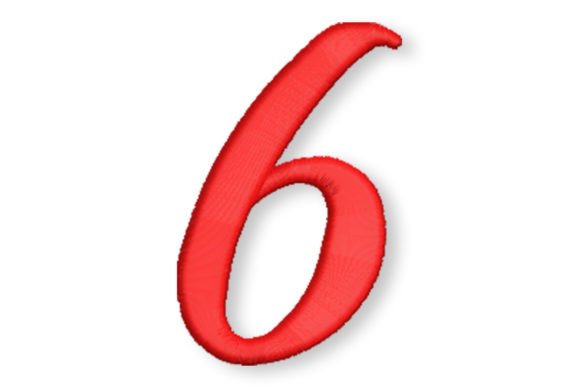
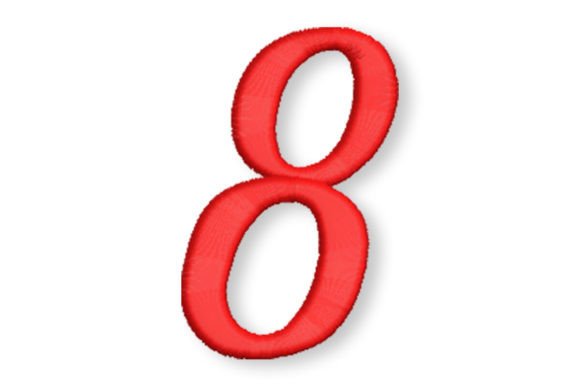
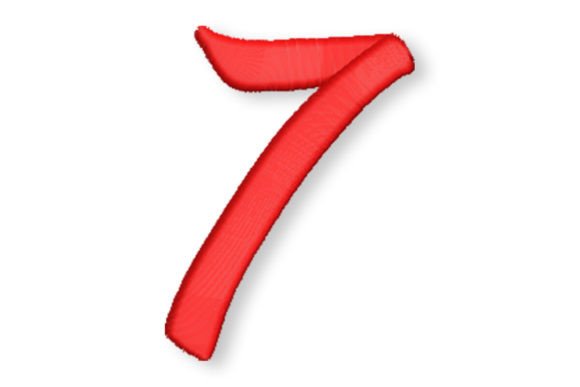
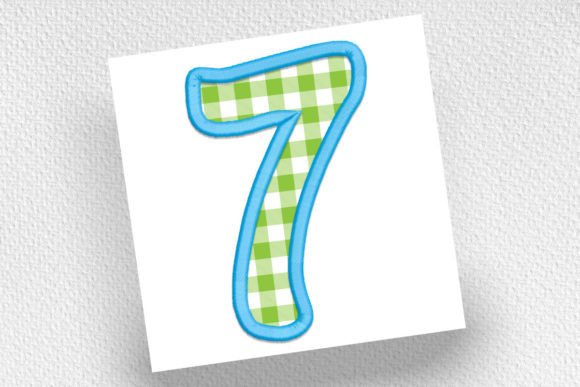
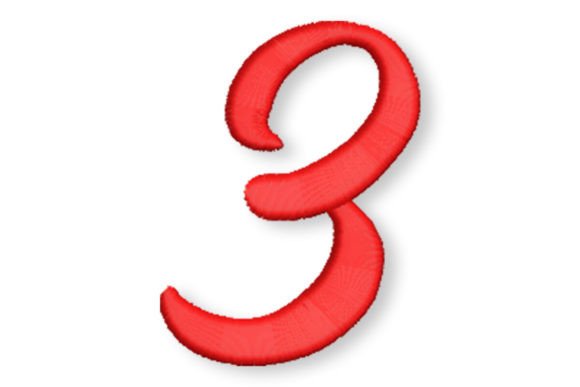
From the first glance, Script Number Three feels modern and elegant. It’s not too bold, nor is it overly cute. The font has a clean, flowing style that works well for both casual and premium products. It’s ideal for school-themed items, but its refined look also makes it suitable for everyday use. The design feels like it could be used on everything from a tote bag design to an embroidered patch.
This script strikes a balance between decorative and practical. It doesn’t feel too busy, which is great for small shop product displays where customers need to see the design clearly at a distance. Its simplicity helps it stand out without overwhelming the eye.
Where Script Number Three Shines
When considering craft fair products, the right design can make all the difference. Script Number Three excels on a variety of items:
- Tote Bag Design: This script looks great on large, open spaces. It adds a touch of class without being too flashy.
- Apron Embroidery: Perfect for kitchen towels or aprons, it offers a subtle yet stylish touch that appeals to home cooks and bakers.
- Tea Towel Embroidery: The design works well on fabric textures, especially when paired with contrasting thread colors.
- Embroidered Patch: As a small accent, it adds a personalized touch to jackets, bags, and hats.
- Fabric Pouches and Pillow Covers: These items benefit from the design’s elegance, making them great for handmade gifts or market bags.
It also works as a printable mockup for Etsy listings, helping buyers visualize how it will look on their own items. Its clean lines make it easy to photograph for online listings, ensuring it stands out in digital storefronts.
Practical Selling and Production Points
One of the biggest advantages of Script Number Three is its adaptability. It can be used as a small accent or a large focal point, depending on the product. This flexibility is key for craft fair sellers who want to maximize their inventory without overstocking.
For commercial embroidery, the design’s clarity is important. If you’re producing in bulk, you’ll want to ensure that the stitch density is consistent and that the design doesn’t lose detail at smaller sizes. Testing the design on different fabrics—especially textured towels or thick materials—can help identify any issues before mass production.
When working with dark fabric, using a stabilizer is essential to prevent the design from fading or distorting. For curved cap surfaces, make sure the hoop size allows for proper placement and tension. These small details can make a big difference in the final finished product.
Careful-Use Notes
While Script Number Three is versatile, there are a few things to keep in mind:
- Dense Stitch Areas: Avoid placing too much detail in one spot, as it may cause puckering or distortion.
- Tiny Details: The script is best suited for larger lettering. Tiny details may not show up well on small items.
- Thick Fabric: Use a heavier stabilizer to prevent the design from sinking into the material.
- Textured Towels: The design may not show up as clearly on rougher surfaces. Consider using a contrasting thread color for better visibility.
- Curved Surfaces: Adjust the hoop size and placement to accommodate caps or other curved items.
- Small Sizes: At smaller scales, the design may lose some of its clarity. Test it on sample fabric before mass production.
These notes are crucial for anyone looking to turn Script Number Three into a successful craft fair product or handmade item.
Impact on Visual Appeal and Customer Engagement
Script Number Three adds visual appeal to any product it’s applied to. Its clean, modern look draws attention in a booth display, making it a strong contender for small shop product sales. It also enhances the perceived value of the finished product, giving it a premium feel that customers are willing to pay for.
As a brand consistency tool, this design can be used across multiple items, creating a cohesive look for your handmade shop. Whether you’re selling on Etsy or at a local craft fair, having a unified design language helps build recognition and trust with your audience.
Customer engagement is another area where this design shines. When displayed on tote bags or aprons, it invites questions and conversation. People often ask about the design, leading to more sales and word-of-mouth marketing.
Embroidery Designer Notes
Before finalizing any production run, I always recommend testing the design on scrap fabric. This helps identify any issues with stitch density, spacing, or thread contrast. It’s also a good idea to review the embroidery file formats to ensure they’re compatible with your machine.
Creating at least one real mockup is essential. Seeing the design on actual fabric gives you a better sense of how it will look in person. Comparing fabric colors and thread options can also help you choose the best combination for your target audience.
Finally, confirm the commercial licensing terms before selling finished products. Even though Script Number Three comes with multiple embroidery file formats, it’s important to understand what you’re allowed to do with the design.
Overall, Script Number Three is a solid choice for anyone looking to add a professional, elegant touch to their craft fair products. With the right approach, it can become a staple in your handmade shop or Etsy store.